The Most Common Gutter Problems We See in Lake Oswego—and How to Fix Them
After years on roofs from Dunthorpe to Rivergrove, we’ve seen how Lake Oswego’s heavy rains and falling debris punish gutters that aren’t maintained. The good news? Most issues are preventable—or fixable—if you catch them early. Here’s what we encounter most, and the proven solutions we use every day.
Clogged Gutters and Downspouts: A Common Culprit
Leaves from bigleaf maples, pine needles, and even roof sand collect fast in our wet climate. Within a season, a 6-inch K-style gutter can hold enough debris to block water flow entirely.
Standing water in clogged sections leads to rust in steel gutters, rot in fascia boards, and—worst of all—overflow that damages siding and foundations. Downspout clogs are just as bad, sending water cascading down walls instead of away from the house.
Regular cleaning is the only sure fix. In neighborhoods with dense tree cover like West Linn, we often recommend gutter guards to reduce the frequency of cleanings without eliminating them entirely.
Once water pools at the foundation, you’re looking at erosion, cracks, or even basement flooding. A twice-yearly cleaning schedule prevents this domino effect.
Sagging or Pulling Away Gutters
Gutters sag when hangers fail, fasteners rust out, or the system was improperly pitched to begin with. In Lake Oswego’s stormy winters, ice and snow add weight that accelerates the problem.
We see this often in older homes where original spike-and-ferrule hangers have loosened. The fix isn’t just reattaching—it’s upgrading to heavy-duty hidden hangers that distribute weight and won’t pop out under load.
Re-sloping may also be needed. Gutters should drop ¼ inch for every 10 feet toward the downspout. Without this pitch, water sits, debris builds, and sagging worsens.
Leaking Seams and End Caps
Seam separation is common in sectional gutters after years of thermal expansion and contraction. Even a tiny gap lets water escape behind the gutter, rotting fascia and soffits.
End caps can also fail, especially if they weren’t sealed properly at installation. We reseal with high-grade butyl or silicone sealant, but in severe cases, replacing the section or switching to seamless gutters is the long-term play.
Pro tip: Check seams after heavy rain. If you see drips or water stains beneath, it’s time for a professional resealing before the next downpour.
| Location | Likely Cause | Best Fix |
|---|---|---|
| Seams between sections | Thermal expansion, age, poor sealant | Reseal with butyl tape or silicone; consider seamless upgrade |
| End caps | Improper installation, impact damage | Remove old sealant, clean, reapply butyl or silicone |
| Corners | Loose miters, debris buildup | Tighten miters, clean, reseal |
| Downspout joints | Vibration, debris pressure | Secure with rivets or screws, reseal |
Rust and Corrosion: A Silent Gutter Killer
Steel gutters in our damp Pacific Northwest climate are prone to rust, especially if the protective coating is scratched or worn. Aluminum gutters resist rust but can corrode in salty coastal air or from constant moisture.
Once rust starts, it spreads under the paint, weakening the metal. Small spots can be sanded and treated with rust converter, but extensive rust usually means section replacement.
Prevention is simpler: keep gutters clean and dry, touch up scratches promptly, and consider aluminum or copper for longer life in harsh conditions.
Improper Pitch and Drainage Issues
Gutters that don’t slope correctly cause water to pool, which speeds up clogging and corrosion. We’ve found many Lake Oswego homes with gutters installed level—or worse, sloping the wrong way.
The fix involves adjusting hangers to create the proper decline toward downspouts. In some cases, adding more downspouts or enlarging existing ones improves drainage capacity, especially on large roofs.
This is also where gutter guards can backfire if not installed with drainage in mind. Mesh screens can trap debris on top, but if the pitch is off, water still won’t flow.
During a rainstorm, watch your gutters. If water sits in sections for more than a few minutes, your pitch is likely off. A quick adjustment can save years of wear.
Downspout Problems: Clogs, Detachment, and Poor Discharge
Downspouts are the gutters’ exit ramp. If they’re clogged, detached, or dumping water too close to the foundation, the whole system fails. We often find downspouts in Milwaukie and Rivergrove clogged with leaves or even tennis balls from nearby courts.
Detached downspouts are a common DIY mishap. They should be secured every 8 to 10 feet and at the top and bottom. For discharge, we recommend extensions that carry water at least 5 feet from the house—farther on sloped lots.
Underground drains? They’re great until they back up. Regular flushing prevents blockages that can send water pooling near your home’s base.
Ice Dams and Winter-Specific Challenges
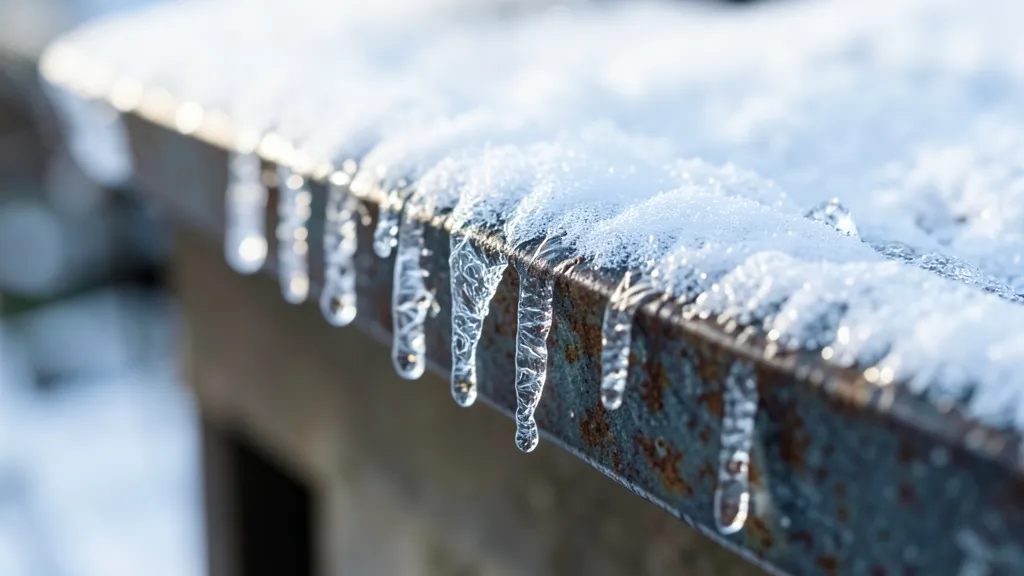
Lake Oswego’s cold snaps can create ice dams that trap melting snow on roofs. The water backs up under shingles, then refreezes, pushing gutters away from the fascia.
Preventing ice dams starts with attic insulation and ventilation, but gutters play a role too. Ensuring they’re clean before winter and adding heat tape can mitigate damage.
After a freeze-thaw cycle, inspect for bent gutters or separated seams. These issues won’t fix themselves and will worsen with the next storm.
Winter Gutter Prep Checklist
- Clean gutters and downspouts thoroughly in late fall
- Check for and reseal any leaks or gaps
- Ensure downspouts discharge water far from the foundation
- Install heat tape if ice dams are a recurring problem
- Inspect hangers and fasteners for rust or loosening
When to Call in the Pros for Gutter Repair or Replacement
Some fixes, like resealing a seam or adjusting a hanger, are DIY-friendly. But if you’re seeing widespread rust, multiple sagging sections, or water damage to your home’s exterior, it’s time for professional help.
We also recommend a pro inspection if you’re unsure about pitch, drainage, or the integrity of your fascia. In Lake Oswego’s older neighborhoods, underlying rot can be hidden behind gutters until it’s severe.
For long-term peace of mind, consider gutter guard installation or a full gutter system upgrade. These investments pay off by reducing maintenance and preventing costly water damage.
How to Inspect Your Gutters Like a Pro
A quick, safe inspection can reveal problems before they escalate.
- 1Safety First
Use a sturdy ladder on level ground, and have a spotter. Never lean the ladder against the gutters themselves—they may not support your weight.
- 2Check for Visible Damage
Look for rust, peeling paint, cracks, or sections pulling away from the roof. Note any sagging or improper slope.
- 3Test the Downspouts
Run a hose into the gutters and watch the downspouts. Water should flow freely and exit far from the foundation. If it backs up, there’s a clog.
- 4Look for Water Stains
Stains on siding or fascia indicate leaks. Trace them to the source—often a seam, end cap, or loose connection.
- 5Inspect the Ground
Check for erosion or pooling near the foundation. These are signs your gutters aren’t directing water properly.
Frequently Asked Questions
How often should I clean my gutters in Lake Oswego?
Most homes need cleaning twice a year—once in late spring and once in late fall. If you have heavy tree cover (common in Dunthorpe or West Linn), you may need a mid-season cleaning as well. After major storms, a quick check is wise.
Can I just install gutter guards and never clean my gutters again?
No. Gutter guards reduce debris buildup but don’t eliminate it. Fine particles, pine needles, and roof sand can still accumulate. Guards also need occasional maintenance to ensure they’re not clogged themselves.
What’s a suitable gutter material for Oregon’s climate?
Aluminum is the most popular for its balance of durability, cost, and rust resistance. Copper lasts longest but is pricier. Steel is strong but requires more upkeep to prevent rust in our wet climate.
Why do my gutters overflow even when they’re clean?
This usually means improper pitch or insufficient downspouts. Gutters need a slight slope to direct water, and larger roofs may need more or larger downspouts to handle the volume. A professional can assess and adjust the system.
Do I need to worry about gutter problems in newer homes?
Yes. Even new gutters can have installation issues like poor pitch, loose hangers, or inadequate sealing. Builder-grade systems may also use lighter materials that don’t hold up as well in heavy rain. An inspection can catch these early.
How do I know if my gutters need to be replaced or just repaired?
If you’re seeing widespread rust, multiple leaks, sagging in several spots, or damage to your fascia and soffits, replacement is often the smarter choice. Isolated issues like a single leaky seam or a loose hanger can usually be repaired.